Last updated November 25, 2026





Free written scope consultation - allowances, timeline, and change-order rules on paper before a single trade is scheduled
DIY vs Professional Construction: The Elk Grove Homeowner’s Decision Guide
YouTube has made every homeowner feel capable of more than they probably should attempt. A tile shower looks like a weekend project. Cabinet installation looks like a puzzle with instructions. Then the work is underway, and the gap between “I did it” and “I did it correctly under California code” shows up. Sometimes that gap is small. Sometimes it costs more to correct than the original professional bid would have. We’re sharing this guide because Elk Grove homeowners deserve an honest answer to the question: what can you actually handle, and what should you hand off?
Quick Answer
In California, you can legally do most cosmetic and finish work on your own home – painting, flooring installs, cabinet refacing, tile in many cases – as long as you aren’t changing structural elements, moving gas lines, adding electrical circuits, or doing work that requires a permit to be issued to a licensed contractor. Everything structural, electrical, plumbing, and gas-related belongs to the licensed trades. The rest comes down to understanding warranty requirements, permit triggers, and the real time cost before you commit.
Styles & brands we work with
- Kitchen remodeling
- Bathroom remodeling
- Home additions & ADU
- Roofing
- Windows & doors
- Driveway & pavers
- Fence
Table of Contents
- What California Law Actually Says About DIY Remodeling
- The Permit-Restricted Tasks You Can’t DIY
- Warranty Stakes: Why Brand Matters When You Install It Yourself
- The True Cost of DIY vs a Contractor Quote
- What Elk Grove Homeowners Consistently Underestimate
- The Hybrid Approach: What to Do Before the Contractor Arrives
- Material Choices That Determine Difficulty
- How to Choose the Right Professional for the Job
What California Law Actually Says About DIY Remodeling
California’s contractor licensing law is more specific than most homeowners realize. The state Business and Professions Code requires a licensed contractor for any project over $500 in combined labor and materials, and that requirement applies to anyone doing work for hire. When you’re doing work on your own primary residence, the rules change: you can legally perform much of the work yourself, provided you’re not receiving compensation and you’re not altering the public safety aspects of the structure.
What you can legally self-perform on your own home in Elk Grove:
- Interior and exterior painting
- Flooring installation (tile, luxury vinyl plank, hardwood, laminate)
- Cabinet installation and refacing
- Countertop installation for many surface types
- Trim, baseboard, and interior door hanging
- Cosmetic bathroom updates like vanity replacement and fixture swaps on existing plumbing connections
What requires a licensed professional regardless of who owns the home:
- Anything structural – wall removal, beam installation, load-bearing modifications
- Electrical panel work and new circuit installation
- Gas line installation or modification
- Water heater replacement
- New plumbing rough-in for a bathroom or kitchen relocation
- Roofing replacement in most scenarios
One wrinkle that catches DIYers: even when you can do the work yourself, the permit has to be pulled by the homeowner as an “owner-builder.” That permit carries the same inspection burden as a contractor permit, and the county or city will inspect the work to the same standard. If the inspection fails, you fix it. Some work that requires a permit and inspections is worth doing yourself if you’re genuinely skilled. Most isn’t. When we help Elk Grove homeowners through a home remodeling project, the permits are part of what the estimate covers, so you’re not discovering the inspection issue after the drywall is up.
The Permit-Restricted Tasks You Can’t DIY
We’ve seen the aftermath of DIY attempts at permit-restricted work in Elk Grove more times than we’d like. The pattern is consistent: the homeowner starts with confidence, hits a complication, and the correction cost exceeds the original professional quote. These tasks carry structural, fire, gas, or water-damage risk that makes the stakes high enough that going pro is the only sane choice.
- Load-bearing wall removal. Even if a wall “doesn’t look structural,” the wall between your kitchen and living room in a typical Elk Grove ranch home often is. Removing it without an engineer’s evaluation and a permit can lead to sagging, cracking, and eventual structural failure. The fix is expensive.
- Electrical panel upgrades or circuit additions. Opening a service panel is dangerous work even for experienced tradespeople. DIY work here is a fire risk and will void any homeowner’s insurance claim tied to an electrical fire.
- Gas line work. Any gas line modification, whether for a new range, a tankless water heater, or an outdoor kitchen, requires a licensed plumber or gas fitter and a permit. There are no exceptions for a homeowner who “knows what they’re doing.”
- Plumbing rough-in where fixtures move. Swapping a faucet on an existing supply line is one thing. Moving a toilet or sink to a new location is a full rough-in with drainage slope calculation, venting, and permit.
- Roof replacement and structural repair. Roofing involves height work, underlayment specification, and code-compliant flashing that most homeowners can’t execute to a passing inspection. It’s also dangerous work on a two-story Elk Grove home.
- Water heater replacement. Permits, seismic strapping requirements, and expansion tank code apply. This is not a swap-and-go job in California.
If the work on your list involves any of these, the professional call comes first, not last. If you’ve made a DIY attempt and the inspection has flagged it, the sooner you get a licensed opinion, the cheaper the correction. Call (279) 333-1458. We answer 24/7. Fast dispatch from 7am to 7pm, Sunday through Friday.
Warranty Stakes: Why Brand Matters When You Install It Yourself
This is the part of the DIY decision that most homeowners don’t think about until something fails. The major material manufacturers in residential construction write their warranties around installation by a licensed professional. The warranty language exists because the manufacturer has no way to certify the installation if it wasn’t done to their spec by a proven installer. This isn’t a scare tactic – it’s how the warranty terms are actually written.
What this means in practice for common material categories:
- Cabinetry. Cabinet brands we work with, like KraftMaid and Wellborn, have warranty terms that typically require professional installation for the warranty to be honored. If a cabinet fails at a joint or a hinge anchor within the warranty period and there’s no licensed installer documentation, the manufacturer has grounds to deny the claim. You absorb the replacement cost.
- Countertops. Engineered quartz surfaces like Cambria, Silestone, and Caesarstone have specific installation specifications, including substrate requirements and seam placement. A DIY install that deviates from spec can void the warranty and create a stress-crack issue in the slab that no one covers.
- Plumbing fixtures. Fixture warranties from brands like Kohler, Grohe, and Toto cover defects in the fixture itself in most cases, but installation-related failures – a leaking valve installed without proper sealing – are warranty exclusions. A licensed plumber’s install record is your proof of proper installation.
- Waterproofing systems. Schluter shower systems have detailed installation sequences. Deviation from those specifications voids the warranty and the tile above the waterproofing will fail. The system is an excellent product when installed to spec; installed incorrectly, it might as well be drywall.
- Exterior cladding. James Hardie fiber cement siding carries warranty terms tied to installation method, fastening, and clearance from grade. DIY installs that don’t match the published spec leave the warranty on the table.
The practical takeaway: before you commit to a DIY installation on a brand-name material, read the warranty terms for installation requirements. If they require licensed installation, the cost of a professional install is partly a warranty purchase. That’s a real value, not a contractor upcharge. When we schedule kitchen remodeling or bathroom remodeling for Elk Grove homeowners, the manufacturer’s installation spec is the baseline, and the warranty documentation follows the job.
The True Cost of DIY vs a Contractor Quote
Most homeowners compare a contractor quote against the material cost at the home center and conclude that DIY saves thousands. The comparison isn’t honest because it leaves out tool costs, material waste, and the value of your own hours. Here’s how to build a real comparison.
What goes into the DIY side of the spreadsheet:
- Material cost with waste factor. Tile, flooring, and paint all require 10 to 15 percent overage for cuts, mistakes, and future repairs. Contractors factor this in; DIYers often don’t and end up making a second trip mid-project.
- Tool rental and purchase. A wet tile saw, a flooring nailer, a paint sprayer, and an oscillating multi-tool can add real cost if you don’t already own them. Tools you’ll use once are a pure project expense.
- Time value. A two-week DIY paint and flooring project can consume 40 to 60 hours of evenings and Sundays. Put a dollar figure on your own hourly value and add it to the total. The number is often larger than the difference between DIY and pro.
- Redo cost. The most consistent hidden expense of DIY is the correction. If your first tile layout is wrong, you’ve paid for the material twice and the labor once.
- Resale documentation. When you sell an Elk Grove home, DIY work without permits can complicate the sale. A buyer’s inspector will flag it, and the negotiation gets expensive.
Then the contractor side. A written line-item quote should include the labor, the materials, the permit fees, and any disposal. If the quote is a single number without line items, ask for the breakdown. A contractor who won’t break out the parts of the bid isn’t giving you the information you need to compare. We write line-item estimates for Elk Grove homeowners because the comparison is what makes the decision clear. Estimates are free.
What Elk Grove Homeowners Consistently Underestimate
We’ve worked on enough houses in Elk Grove to know which DIY tasks come back as professional correction calls. These are the spots that look easy on a screen and aren’t easy in a real house. The baseline isn’t about skill. It’s about how much of the job is hidden from the initial view.
- Tile installation over an unchecked substrate. The visible work is setting tile. The work that matters is preparing the substrate, checking deflection against the tile spec, and installing a proper decoupling or waterproofing membrane. In a 1980s or 1990s Elk Grove ranch, subfloor conditions are often worse than expected. Tile laid over a bad substrate cracks. The fix is full removal and redo.
- Paint prep on stucco exterior. Stucco is the dominant exterior finish in Elk Grove, and prep is everything. Cracks need patching and matching. Chalky surfaces need washing and bonding primer. Paint applied over a poorly prepped stucco surface will peel within a season or two. The prep can be 60 percent of the job, and it’s the part most DIYers skip.
- LVP flooring in rooms without flat subfloors. Luxury vinyl plank is a great material and a legitimate DIY candidate in many cases. But it advertises flat subfloor tolerances for a reason. An older slab that has settled, or a wood subfloor that has a high spot at a beam, telegraphs through the plank and causes premature wear and locking joint failures. The fix is floor leveling, which is not a DIY-friendly task.
- Bathroom waterproofing. The tile is decorative. The waterproofing behind it is what keeps your house dry. Schluter and comparable systems require precise installation. A missed corner seal is invisible until it’s a mold problem and a full tear-out.
- Cabinet installation with wall corrections. Elk Grove homes were built over several decades with varying wall plumb and floor level. Hanging cabinets requires checking and shimming to make the boxes square and the doors line up. A DIY install on an out-of-plumb wall leads to visible gaps and hinge misalignment within a year.
If you’re near any of those situations and aren’t sure, get a professional read before you cut anything. Call (279) 333-1458. We answer 24/7. Fast dispatch from 7am to 7pm, Sunday through Friday.
The Hybrid Approach: What to Do Before the Contractor Arrives
The best answer to the DIY vs professional question is often “both.” Homeowners who are capable, careful with details, and honest about their own limits can shave real cost and time off a project by handling the tasks that are genuinely safe for them and handing off everything that carries risk. This is the model we recommend most often in Elk Grove, and it works well on multi-room projects where the scope is clear in advance.
Here’s the split we suggest:
Good candidates for you to handle:
- Demolition where the scope is defined and there are no structural, electrical, or plumbing lines in the demo path
- Interior painting in rooms where the substrate is sound
- Furniture and personal-content clearance before the work starts
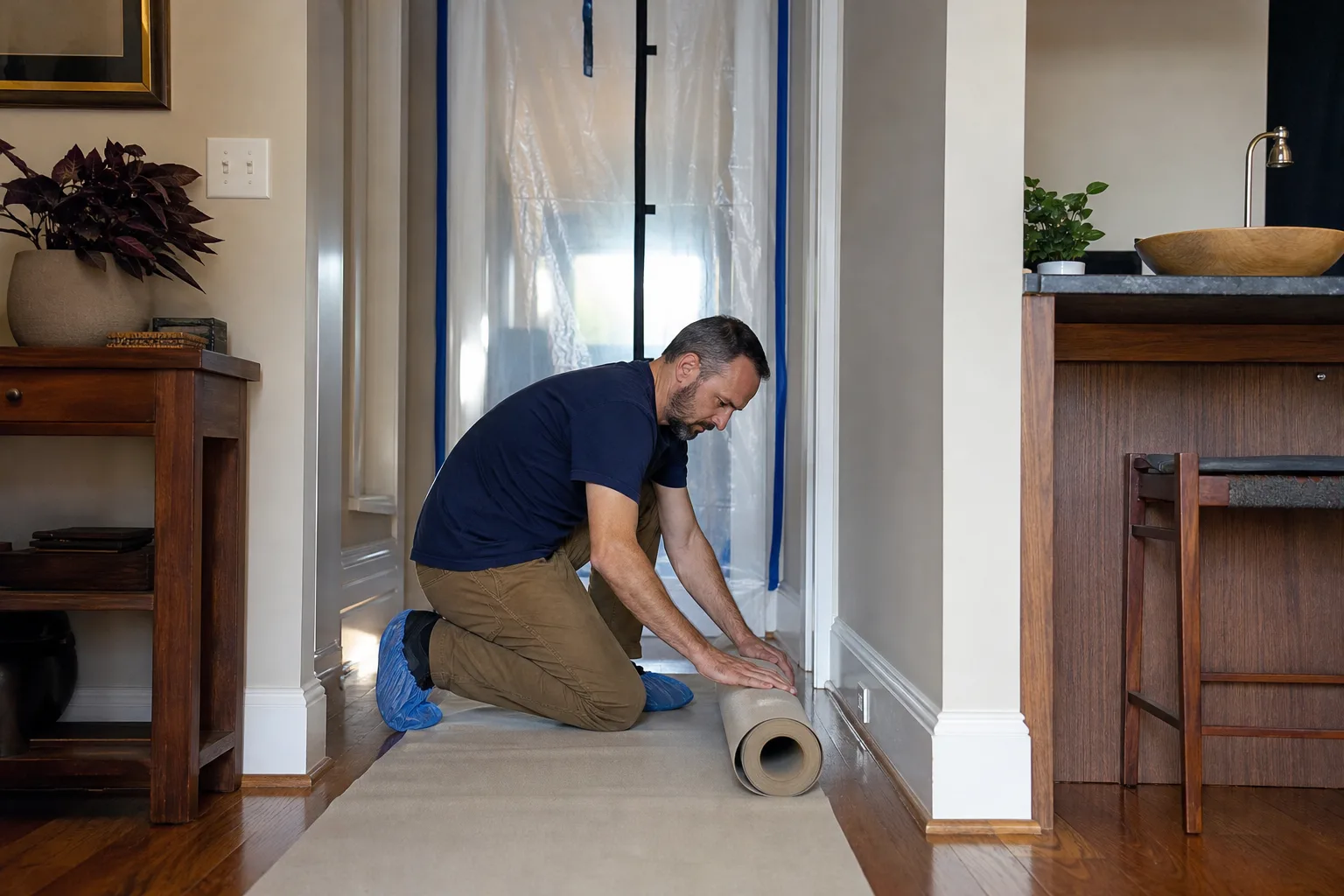
- Site prep like protecting floors, moving outlets that are already wired, and building a staging area
- Trash and debris hauling to the dumpster
- Punch-list walkthrough coordination and final handoff
Hand off to the professional:
- Anything on the permit-restricted list above
- Subfloor prep, floor leveling, and any substrate corrections
- Waterproofing, tile setting in wet areas, and any plumbing rough-in
- Cabinet layout and installation, especially where wall corrections are needed
- Countertop templating and installation
- Everything that requires a licensed installer to preserve the material warranty
To make the hybrid approach work, the scope has to be written down before any work starts. That’s why we scope every project at the estimate stage, with the line-item detail on which tasks are ours and which are yours. It’s also why our technicians have up to 14 years of experience – the sequencing on a hybrid project is where the value is, and getting the order wrong costs more than the labor saved. Whether it’s a single room under bathroom remodeling or a full-house scope, the handoff plan is part of the estimate.
Material Choices That Determine Difficulty
Not all “tile” or “flooring” or “paint” carries the same difficulty, and the material you pick changes the answer to the DIY vs professional question. Choosing a friendlier material is a legitimate way to expand what you can handle yourself.
- Tile. Porcelain and ceramic are standard. Large-format tile over 24 inches requires a different skill set (a leveling clip system, a proper notched trowel, sometimes a suction cup). Small-format mosaics are more forgiving for a first-timer in a dry area. We source from brands that spec a clear installation method so the requirements are at least visible.
- Countertops. Engineered quartz (Cambria, Silestone, Caesarstone) is standard spec in Elk Grove kitchens and requires templating for the installer. DIY isn’t realistic. Laminate is a friendlier DIY option but carries a resale penalty at this price point.
- Plumbing fixtures. A Kohler or Grohe fixture on an existing rough-in is a realistic swap. A Toto toilet replacement on an existing flange is realistic. Anything that moves the water location is not. We carry options at multiple price tiers so the fixture choice matches the project, not the other way around.
- Wet-area systems. Schluter and comparable shower systems have a published method. Installed to it, they’re excellent. Installed off-spec, they’re worse than nothing. Leave the wet-area systems to the pro.
- Paint. Standard interior latex over sound drywall is a great DIY candidate. Exterior paint over stucco with cracks and chalk is not. The surface condition sets the answer, not the paint quality.
When we write an estimate for a project that touches multiple material categories, we show the options at each price tier so you can see where the material choice saves money and where it changes the labor difficulty. That’s a real decision, and it deserves real numbers on the page.
How to Choose the Right Professional for the Job
If you’ve decided to hand off part of the project, the next decision is who to hire. The single most useful filter is whether the contractor provides a written, line-item estimate. A real bid tells you what’s included, what’s excluded, and what the permit cost is. A handshake with a number is not a bid.
What to ask before you sign anything:
- Is the contractor licensed and insured as required by California law? Ask for the license number and verify it with the state licensing board. Any licensed contractor will give you the number without hesitation.
- Does the bid itemize labor, materials, and permits? A single lump-sum number makes it impossible to compare bids and impossible to price a change later.
- Who pulls the permit? If the contractor pulls the permit, they’re the responsible party for the inspection. If they ask you to pull it as the homeowner, that shifts liability.
- What’s the warranty on the workmanship? Manufacturer warranties cover the material. Workmanship warranties cover the installation. You want both in writing.
- How are change orders handled? The best contractors do fixed pricing with no change orders for in-scope work. Any out-of-scope work should be presented as a written change order before it happens.
- Can they handle the full project scope without bringing in another prime contractor? One contractor across every phase of a multi-room project is one point of accountability. Multiple vendors creates a finger-pointing problem when something fails.
If you’re planning a broader scope, our Elk Grove Remodeling team reviews the full project at the estimate stage and writes the line-item scope from start to finish. If you’re comparing contractors for an Elk Grove project, ask each one for their version of this list. The answers will sort themselves quickly.
Common Mistakes to Avoid
- Starting demolition before the scope is settled. Homeowners who pull walls or tear out flooring before the plan is firm often discover a condition that changes the project. The demo is done, the new plan is bigger, and the budget is already half-spent.
- Assuming a permit isn’t required because the work is “small.” Permit thresholds in California are based on scope and type, not size. Water heaters, panel work, and structural changes all trigger a permit even for small projects. Skipping the permit becomes a discovery at resale.
- Buying material before checking the actual substrate. Ordering tile or LVP before You’ve pulled the trim and checked the subfloor for flatness and condition leads to returns, extra trips, and sometimes a switch to a different material mid-project.
- Installing a warrantied product off-spec. Reading the manufacturer’s install spec first, before buying the product, is the difference between a covered failure and a full replacement on your dime. This matters most on Schluter systems, engineered quartz, and any cabinet brand.
- Painting stucco without a prep step. Elk Grove stucco exteriors need washing, crack patching, and bonding primer before paint. Paint over an unprepped surface peels within a season or two and the correction is a full redo, not a touch-up.
- Underestimating the time for paint trim work. The wall paint is fast. The trim cutting, caulking, and second coat is where the hours go. Homeowners who plan a weekend for a room often end up with three weeks of evenings.
- Hiring separate contractors for each trade on a multi-room project. The handoff between a flooring installer and a painter and a cabinet installer is where schedule slips and warranty disputes happen. One contractor across the full scope is the cleaner model.
See the difference
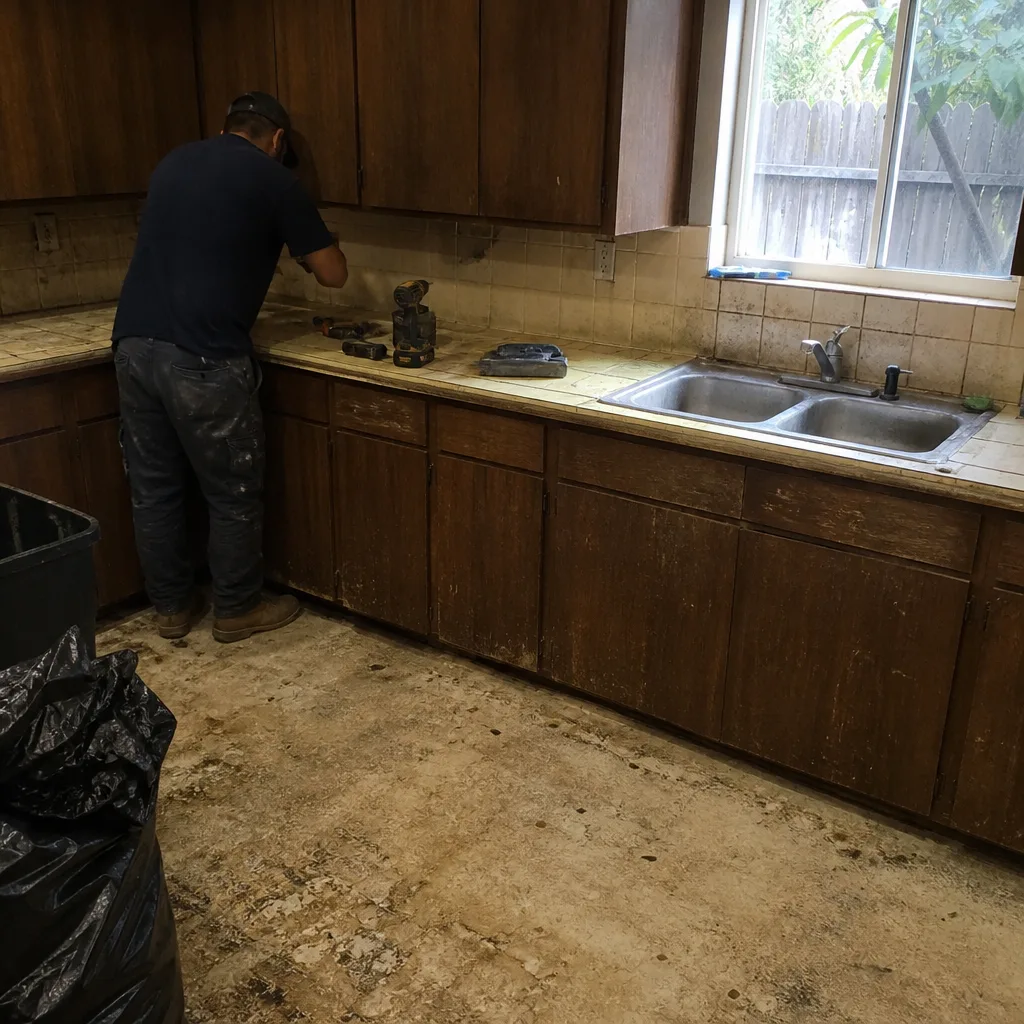 Before
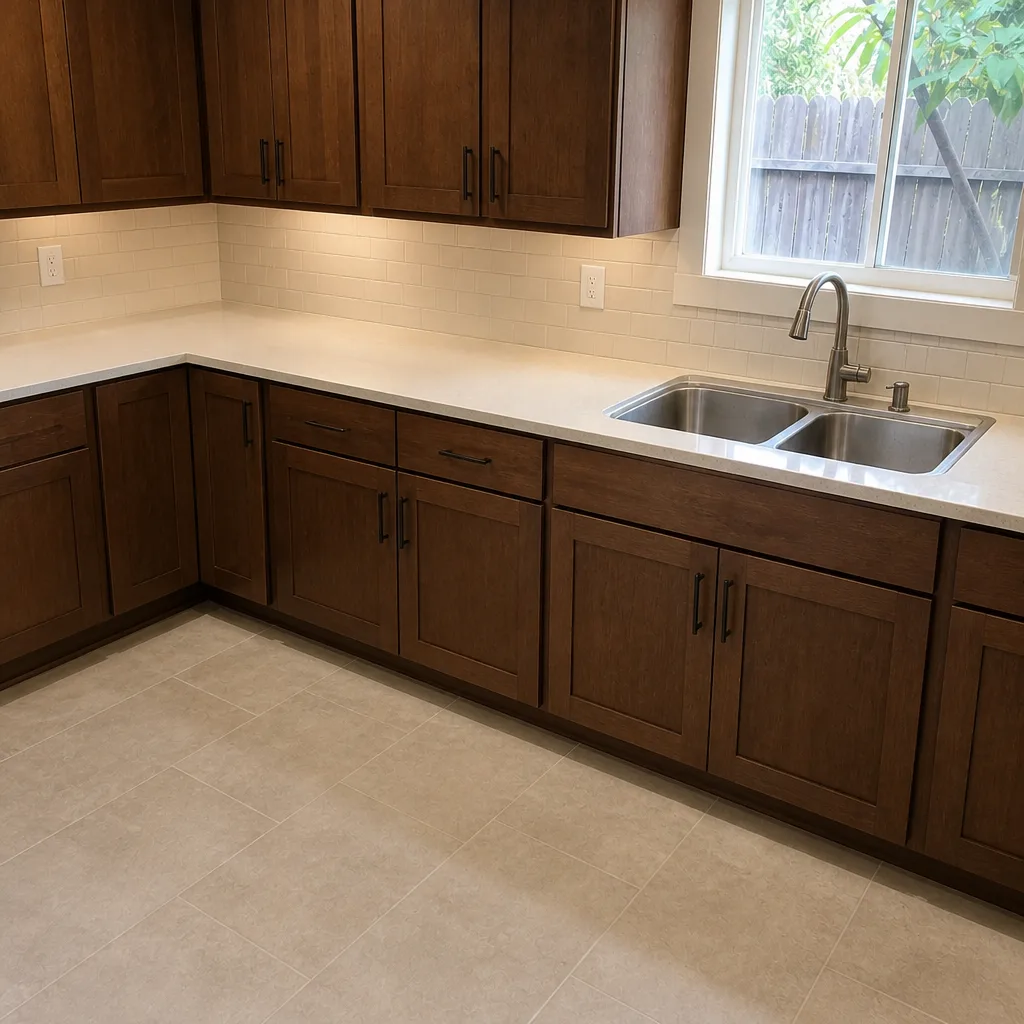 After
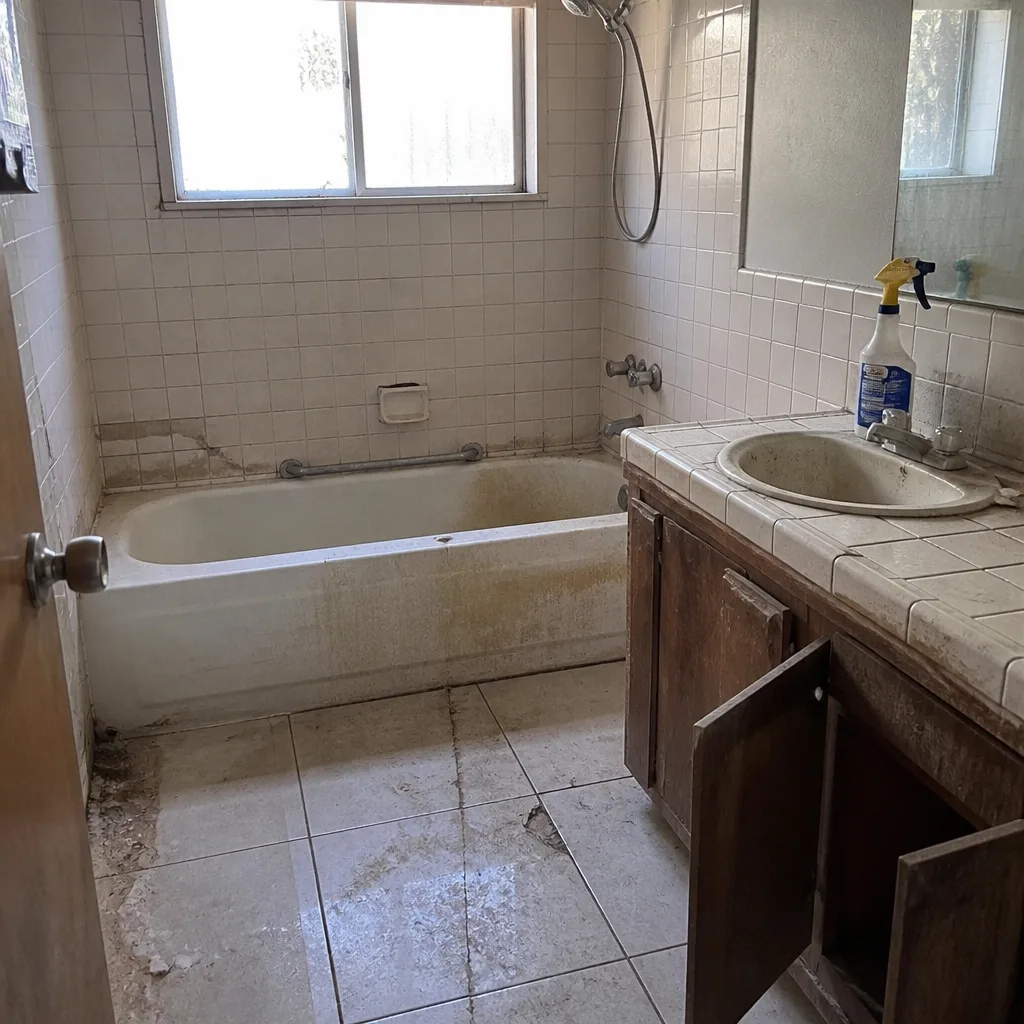 Before
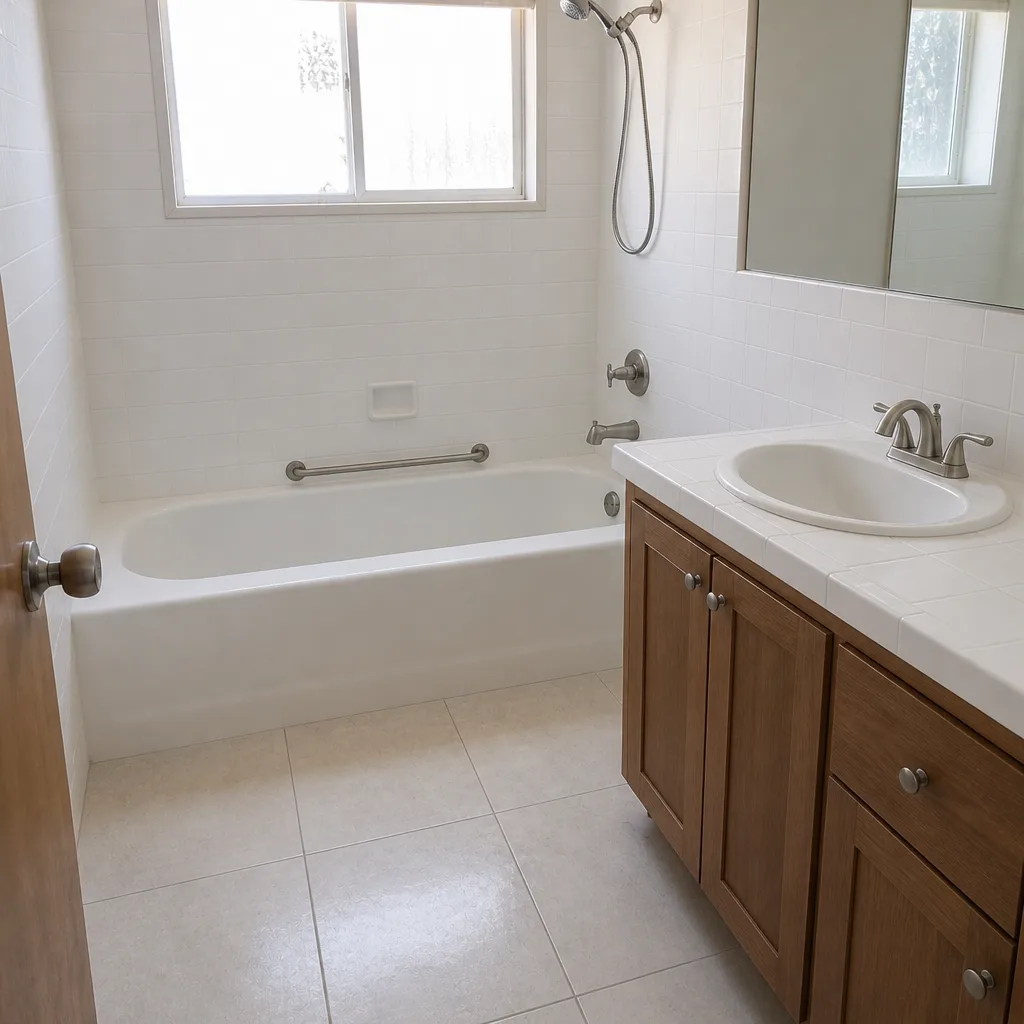 After
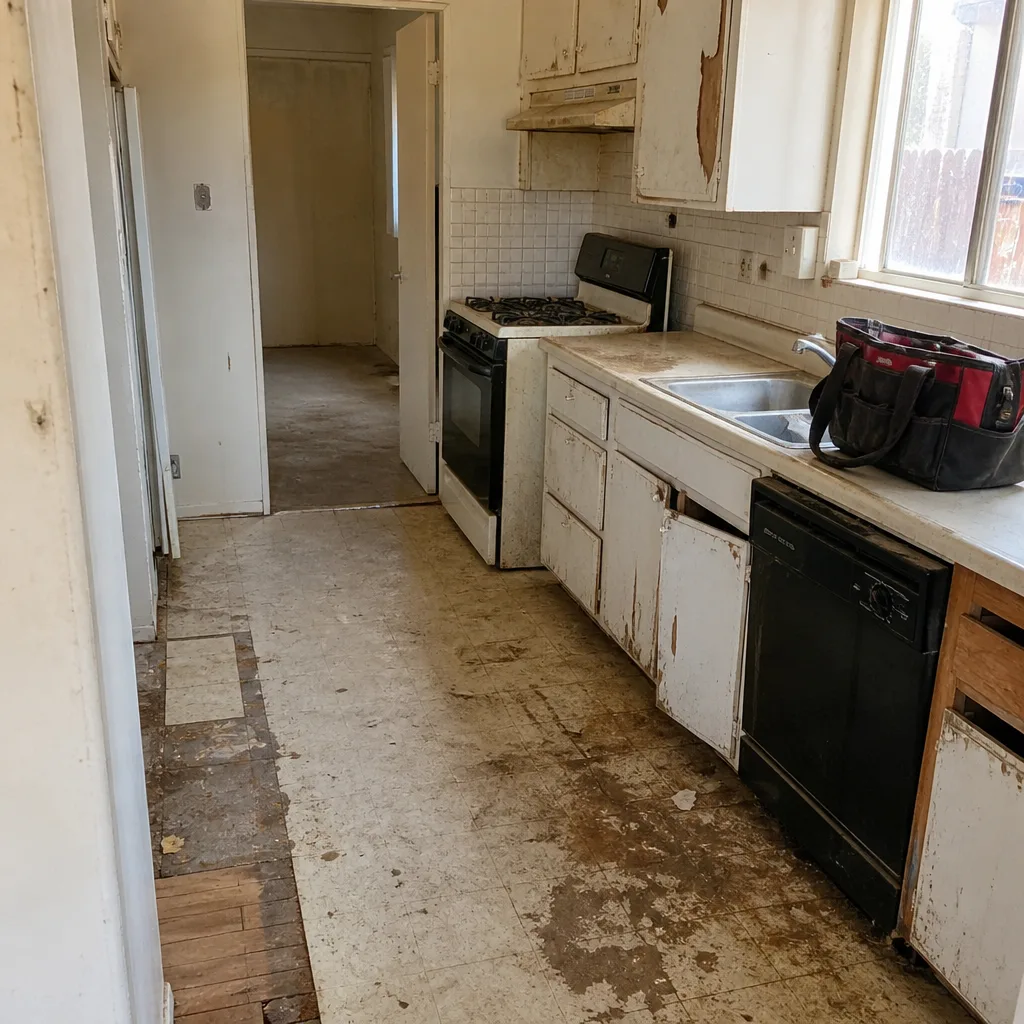 Before
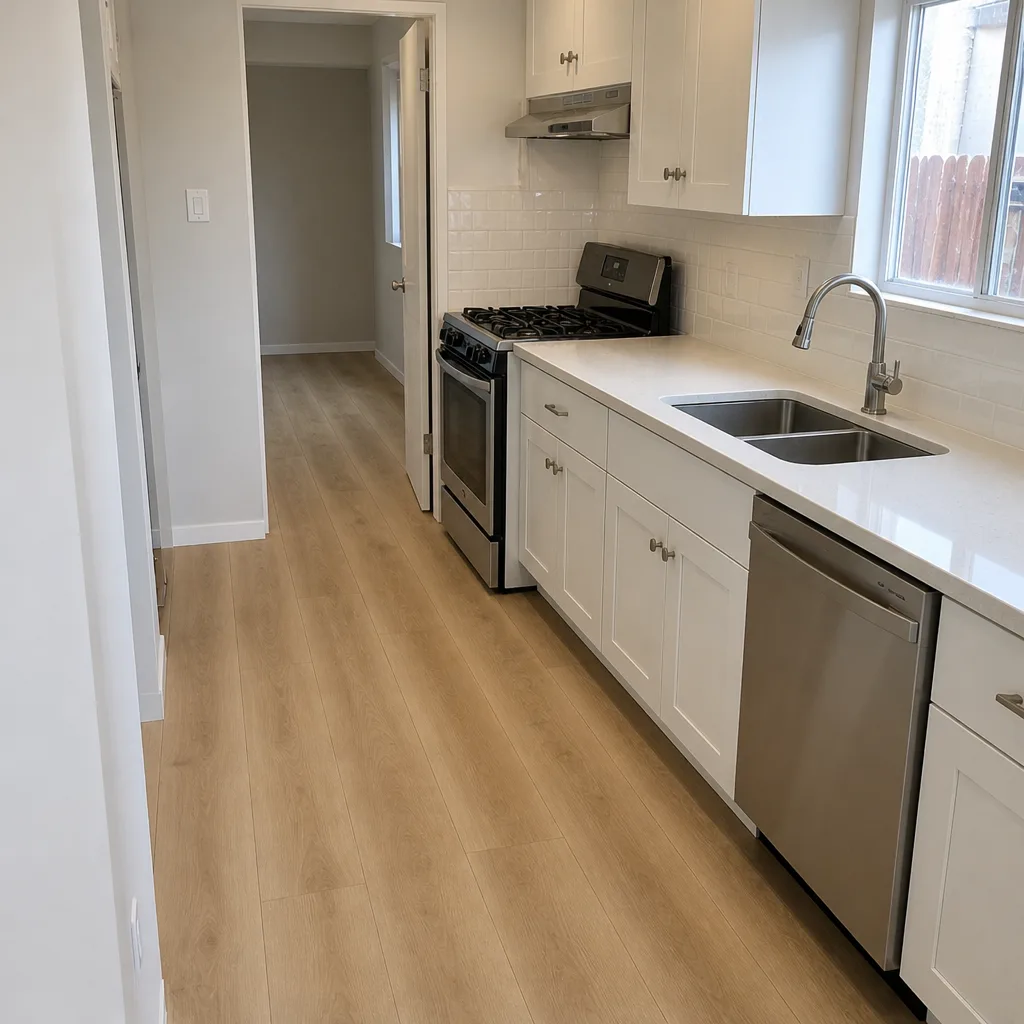 After
When to Call a Professional
Call a professional at the moment the scope touches anything on the permit-restricted list, or when the material you’re installing has a warranty tied to licensed installation. Call earlier if the substrate condition is unknown – the answer to that question changes the plan for everything above it. Call immediately if you’ve already had an inspection flagged or a DIY attempt has failed. In our experience, the correction cost on a failed DIY install in Elk Grove almost always exceeds the original professional quote, and it takes longer to fix than it would have taken to do it right.
Elk Grove Remodeling offers free estimates in Elk Grove – call (279) 333-1458. We answer 24/7. Fast dispatch from 7am to 7pm, Sunday through Friday. Estimates are free, and the written line-item quote sets the price.
Frequently Asked Questions

Yes, for many cosmetic and finish tasks on your own primary residence. California law allows homeowners to perform their own work without a contractor license, provided the work is on your own home and you aren’t modifying structural, gas, electrical, or plumbing rough-in. Everything on the permit-restricted list requires a licensed professional regardless of who owns the home. When in doubt, ask before you start. Call (279) 333-1458 for a free estimate if you want a professional read on the scope. Estimates are free.
In many cases, yes. The major cabinet brands including KraftMaid and Wellborn and the engineered quartz brands including Cambria, Silestone, and Caesarstone write their warranties around installation by a licensed professional. If installation wasn’t done to spec by an installer the manufacturer recognizes, the warranty terms give the manufacturer grounds to deny a claim on an installation-related failure. Read the warranty terms before you buy the material. A licensed install is partly a warranty purchase. Call (279) 333-1458 for a quote on the install scope. Estimates are free.
Tile installation pricing depends on square footage, tile size, and substrate condition, not on who prepped the floor. Preparing the floor yourself can lower the total if the substrate is verified flat and sound by a professional first, but if the substrate needs correction after the install starts, the cost goes up. The written estimate sets the price. To get a real number for your project, call (279) 333-1458. Estimates are free.
Yes, both require a permit in California and both require a licensed professional. Water heater replacement in California involves seismic strapping and expansion tank code that most homeowners can’t satisfy without a license, and electrical panel work is dangerous and typically tied to insurance claim complications. Neither is a DIY candidate. Call (279) 333-1458 to discuss the licensed scope. Estimates are free.
Handle the demo, debris hauling, and the interior painting yourself if you’re comfortable with them. Hand off the cabinet install, countertop template and install, any electrical or plumbing changes, and the tile backsplash if it needs substrate work. The scope should be written down at the estimate stage so there’s no confusion about who does what. Call (279) 333-1458 to scope the split. Estimates are free.
A hybrid project runs about the same timeline as a fully professional one, sometimes longer if the homeowner-only tasks stall the sequence. The professional portion is usually the critical path. Kitchen remodels usually run several weeks depending on cabinet lead time and scope; bathrooms are shorter but waterproofing cure times add to the schedule. For a real timeline on your scope, call (279) 333-1458. Estimates are free.
The Bottom Line
The DIY vs professional question is really a question about risk, warranty, and time – not skill. Capable homeowners can legitimately handle demo, paint, and finish work. Nobody without a license can legally touch the structural, electrical, plumbing, and gas work that California law reserves for licensed professionals. Brand-name materials carry warranty terms tied to professional installation, so installing them yourself is a warranty decision as much as a skill decision. The best strategy is the hybrid model: keep what you can safely do, hand off what carries risk, and get the scope written down in a line-item estimate before anything starts. That’s the answer that saves money without creating liability.
Call (279) 333-1458 for a free estimate. We answer 24/7. Fast dispatch from 7am to 7pm, Sunday through Friday. The written estimate sets the price, the permits are part of the scope, and there are no change orders on in-scope work.
Written by the team at Elk Grove Remodeling.